restriction training
blood flow restriction training
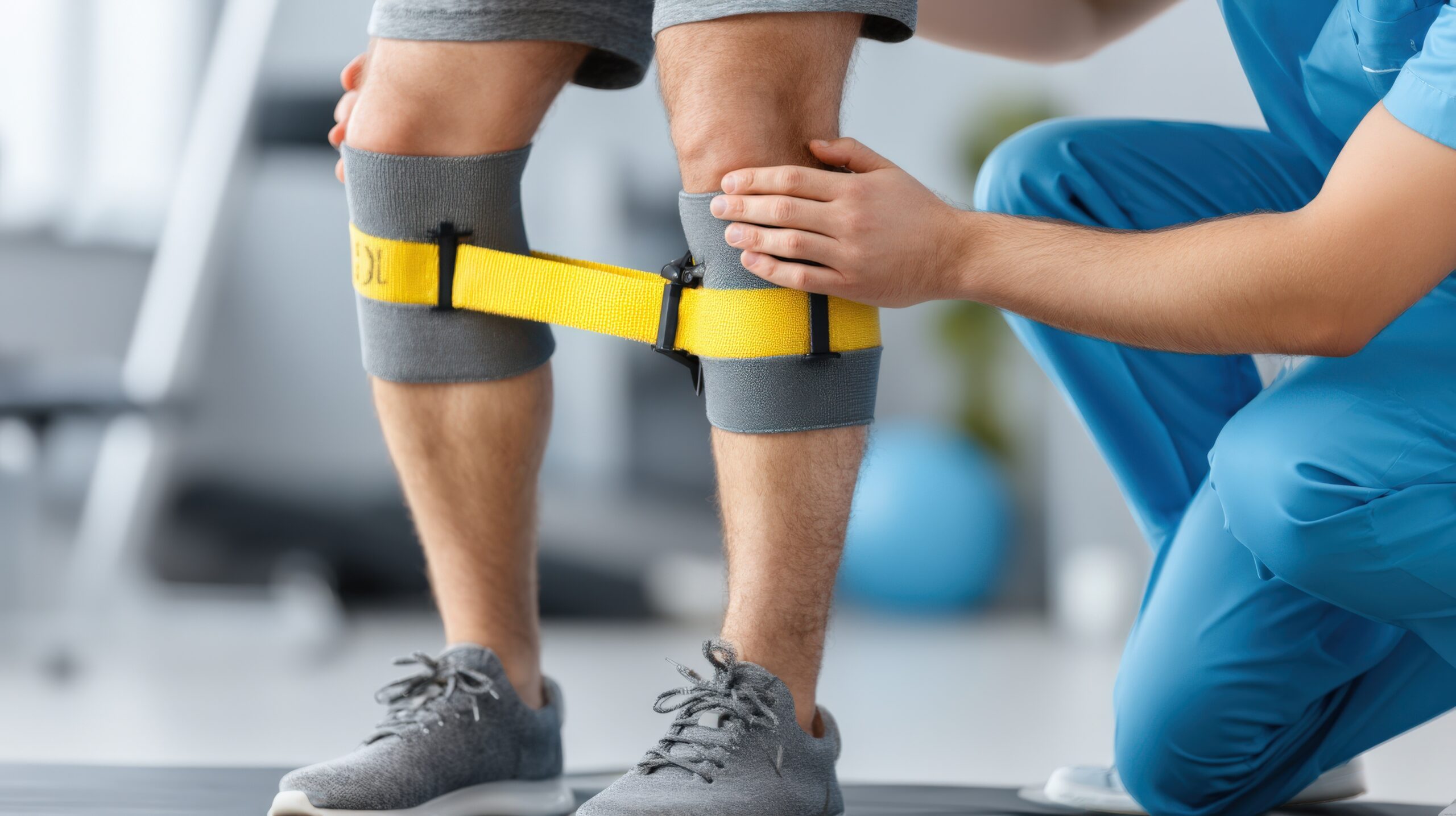
Blood flow restriction training (BFR) is a specialized exercise technique that has gained significant attention in recent years for its potential benefits in strength training, rehabilitation, and overall fitness improvement. This training method involves the application of a specialized band or cuff around a limb—commonly the upper or lower extremities—while performing low-load resistance exercises.
By restricting the flow of blood to the muscles, BFR creates an environment that leads to heightened metabolic stress and muscle fatigue, simulating conditions similar to high-intensity workouts without the need for heavy weights.
The primary goal of blood flow restriction training is to enhance muscle strength and hypertrophy by limiting the amount of oxygen available to the muscles, which in turn promotes the release of certain hormones and growth factors that facilitate muscle growth. This approach allows individuals, particularly those who may be recovering from injuries or who are unable to lift heavy weights due to various limitations, to experience significant increases in muscle mass and strength with lighter resistance, thus reducing the risk of injury while still achieving their fitness goals.
BFR training is not only effective for athletes looking to improve performance but can also be beneficial for older adults or individuals in rehabilitation programs. Research indicates that even minimal loads, such as 20-30% of an individual’s one-repetition maximum (1RM), when combined with blood flow restriction, can lead to substantial strength gains. As such, blood flow restriction training is becoming increasingly popular in personal training studios, rehabilitation centers, and athletic performance facilities, providing a versatile tool for enhancing muscle performance across various populations.